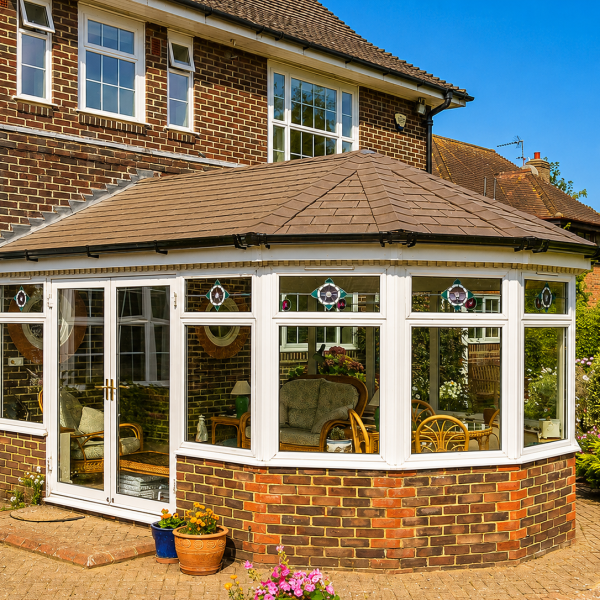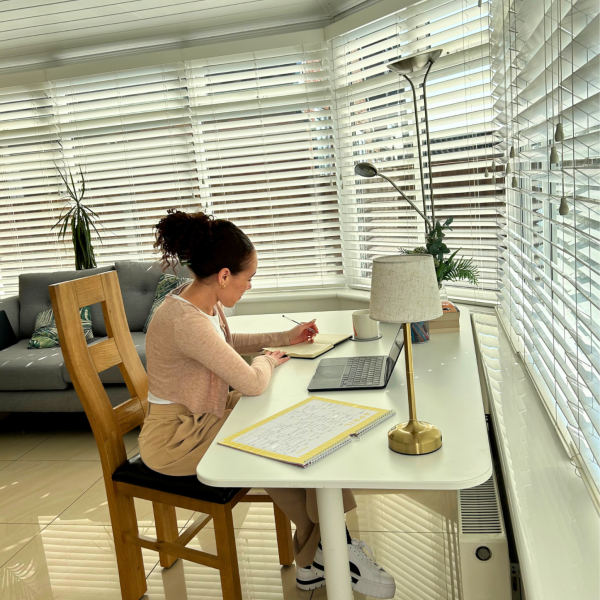
A conservatory should be one of the most enjoyable spaces in your home during the summer. It should be bright, comfortable and easy to use, whether you want a quiet morning coffee, an extra dining area, a playroom for the grandchildren or somewhere to relax at the end of the day.
But for many homeowners, summer highlights the problems they have spent the rest of the year trying to ignore.
The room becomes too hot. Condensation marks start to appear. Small leaks return after heavy rain. Mould gathers around seals, blinds or window frames. The roof looks tired, noisy or inefficient. Suddenly, the space that should feel like an asset becomes difficult to enjoy.
The good news is that many common conservatory problems can be spotted early with a simple seasonal maintenance check. Here is an expert conservatory maintenance checklist to help you prepare your space before summer fully arrives.
1. Check your conservatory roof before the weather changes
Your conservatory roof is the first place to inspect before summer. It works hard all year round, dealing with wind, rain, frost, heat and direct sunlight.
Look for:
- Slipped or damaged roof panels
- Cracks in polycarbonate or glass
- Loose trims or capping
- Gaps around roof bars
- Signs of water staining inside
- Moss, algae or dirt build-up outside
- Areas where the roof has started to sag or separate
Even a small weakness can become a larger issue once summer storms arrive. If your conservatory roof is already leaking, or you notice damp patches after rainfall, it is better to investigate early rather than waiting for more serious water damage.
A leaking conservatory roof can often be a sign that the existing roof system is no longer performing as it should. Temporary sealants may help for a short time, but they rarely solve the underlying problem.
For homeowners looking for a longer-lasting and more cost-efficient solution, upgrading the roof system can make the space more reliable, more comfortable and easier to use year-round.
2. Clear gutters, downpipes and drainage channels
Blocked gutters are one of the most common conservatory maintenance issues, especially after autumn and winter.
Leaves, moss, dirt and general debris can collect in the guttering and prevent rainwater from draining away properly. When this happens, water can overflow, run down walls, pool around the base of the conservatory or find its way into weak points around the roofline.
Before summer, check:
- Gutters are clear and flowing properly
- Downpipes are not blocked
- Water is draining away from the property
- Joints and brackets are secure
- There are no cracks or leaks in the guttering
- Moss or algae has not built up around the roof edge
This is a simple but important step. Regular gutter maintenance can help prevent conservatory leaks, damp patches and long-term water damage.
3. Look for condensation, damp and mould
Condensation in a conservatory is usually caused by warm, moist air meeting cold surfaces. It is more common in winter, but the signs can still be visible in summer, especially around windows, doors, corners and roof panels.
Check for:
- Water droplets on windows
- Black mould around seals
- Damp smells
- Peeling paint or bubbling plaster
- Staining around window frames
- Soft furnishings that feel damp or musty
- Mould behind blinds, curtains or furniture
Condensation may seem like a small issue, but if it is left untreated, it can lead to mould growth, poor air quality and damage to furnishings or finishes.
To reduce condensation in your conservatory, make sure the space is well ventilated, avoid drying washing in the room and keep furniture slightly away from walls and windows where possible.
However, if condensation keeps returning, it may be a sign that the conservatory is poorly insulated or struggling with temperature regulation. A professional insulation solution can help create a more stable internal environment, making the room warmer in winter, cooler in summer and more usable throughout the year.
4. Inspect windows, doors and seals
Windows and doors are often overlooked during conservatory maintenance, but they have a major impact on comfort, security and energy efficiency.
Before summer, check:
- Door locks and handles work smoothly
- Hinges are not stiff or loose
- Window openings are working correctly
- Rubber seals are not cracked, brittle or missing
- Draughts are not coming through gaps
- Frames are not warped or damaged
- There is no condensation trapped between panes
Damaged seals can allow warm air to enter in summer and heat to escape in winter. They can also let in moisture, which increases the risk of damp and mould.
If your conservatory feels too hot in summer and too cold in winter, the issue may not just be the windows. The roof is often the biggest cause of heat gain and heat loss, especially in older conservatories.
5. Clean the roof, frames and glazing safely
A clean conservatory instantly feels brighter and more inviting. Dirt, algae and grime can make the space look tired, while build-up on the roof can reduce natural light.
Focus on:
External frames
Window glass
Door tracks
Roof panels
Guttering
Sills and ledges
Internal corners and seals
Use appropriate cleaning products for your conservatory materials and avoid anything abrasive that could damage frames, coatings or seals. Take particular care with roof cleaning. Conservatory roofs can be fragile and should not be walked on unless proper safety equipment and professional access methods are being used.
If your roof is difficult to clean, regularly discoloured or showing signs of age, it may be worth considering whether the existing system is still right for the way you want to use the room.
6. Check for signs of overheating
One of the biggest summer conservatory problems is overheating.
Many older conservatories become uncomfortable during warm weather because the roof allows too much solar heat into the room. This can make the space difficult to use during the day and can also affect adjoining rooms.
Signs your conservatory is overheating include:
- The room becomes unusable in direct sun
- Furniture, flooring or blinds fade
- You rely heavily on fans or portable air conditioning
- The space feels stuffy even with windows open
- Adjacent rooms become warmer too
- You avoid using the conservatory in summer
Fans, blinds and reflective films can help reduce heat slightly, but they do not always solve the main issue. If the roof is the cause of the problem, a more complete roof insulation or replacement solution is often the better long-term option.
CI Group roof systems such as SkyTherm, ThermaTile and the CHRIS System are designed to help improve conservatory comfort, creating a space that is warmer in winter, cooler in summer and more practical for everyday use.
7. Review your ventilation
Good ventilation is essential for preventing damp, reducing condensation and keeping your conservatory more comfortable in summer.
Check whether:
- Windows open fully and safely
- Roof vents are working, if fitted
- Door openings provide enough airflow
- Trickle vents are clear
- Blinds or furniture are blocking airflow
- The room feels stuffy or stale
If the room still overheats even with good ventilation, this may suggest the conservatory has a wider thermal performance issue. Ventilation helps, but it cannot fully compensate for a poorly performing roof.
8. Check flooring, skirting and internal finishes
Conservatory problems often show up at floor level before they become obvious elsewhere.
Look for:
- Lifting flooring
- Damp patches
- Warped laminate or timber
- Cracked tiles
- Water marks around skirting
- Musty smells near the floor
- Gaps where the conservatory meets the main house
These signs can suggest water ingress, condensation issues or poor insulation. If the same problems return every year, it is worth looking beyond surface repairs and considering the root cause.
9. Think about how you want to use the space this summer
Maintenance is not just about repairs. It is also a good opportunity to think about whether your conservatory still works for your lifestyle.
Ask yourself:
- Do we use this room as much as we should?
- Is it too hot in summer?
- Is it too cold in winter?
- Does it feel separate from the rest of the home?
- Are we relying on temporary fixes?
- Could this become a proper living space, dining room, office or family room?
- Would improving the roof make the biggest difference?
A conservatory should not be a room you only use for a few weeks of the year. With the right improvements, it can become a valuable year-round living space.
10. Know when a professional solution is better than a quick fix
Some conservatory maintenance tasks are simple, affordable and easy to manage yourself. Cleaning windows, clearing gutters and checking seals are all sensible seasonal jobs.
But some problems need a more professional approach.
You may need expert advice if:
- Your conservatory roof keeps leaking
- The room is unusable in summer or winter
- Condensation and mould keep returning
- Temporary repairs are not lasting
- The roof is old, noisy or inefficient
- You want the space to feel more like a permanent room
- You are considering a long-lasting upgrade instead of short-term fixes
Professional conservatory insulation and roof upgrade systems can improve comfort, reduce recurring issues and help you make better use of the space all year round.
Benefits of regular conservatory maintenance
Regular conservatory maintenance can help you:
- Prevent leaks before they cause serious damage
- Reduce the risk of damp and mould
- Keep the room looking clean and modern
- Improve comfort during summer
- Spot roof issues early
- Protect furniture, flooring and décor
- Extend the life of the conservatory
- Make the space more enjoyable year-round
The key is to look beyond the surface. If the same issues keep coming back every season, your conservatory may need more than maintenance. It may need a proper upgrade.
Is your conservatory ready for summer?
A well-maintained conservatory should be bright, comfortable and easy to enjoy. If yours is too hot, too cold, leaking, damp or difficult to use, now is the ideal time to deal with the problem before summer is in full swing.
At CI Group, we help homeowners transform underused conservatories into practical, comfortable spaces with professional roof systems including SkyTherm, ThermaTile and the CHRIS System.
Whether you want to reduce heat in summer, prevent recurring issues or create a room you can use all year round, our team can help you choose the right solution for your home.
Book your free conservatory roof quote today and get your conservatory ready for year-round use.