There’s a quiet kind of stress that comes from spaces that don’t quite work. The conservatory that’s too cold in winter, too bright in summer. The room you avoid, without really knowing why.
But what if that space could become somewhere you’re drawn to instead? A place to slow down, think clearly, or simply breathe.
With thoughtful design and the right insulation, even the most overlooked corner of your home can support your wellbeing. And when your environment starts working with you, not against you, the impact on your mood, focus, and mental health can be surprisingly powerful.
Why Unused Spaces Affect How You Feel at Home
Most of us don’t think twice about the rooms we avoid. We just close the door, or pass through quickly. But those spaces still shape how your home feels as a whole.
When part of your home is uncomfortable or unusable, it creates a subtle sense of friction. You have less room to relax, fewer places to focus, and fewer opportunities to switch off. As time goes on, that adds up.
There’s strong evidence that your environment plays a direct role in your mood and mental health. A recent study found that factors like temperature, noise, and lighting can significantly affect stress levels, concentration, and overall wellbeing.
In other words, it’s not just about how your home looks. It’s about how it supports you, day to day.
The Hidden Potential of Your Conservatory
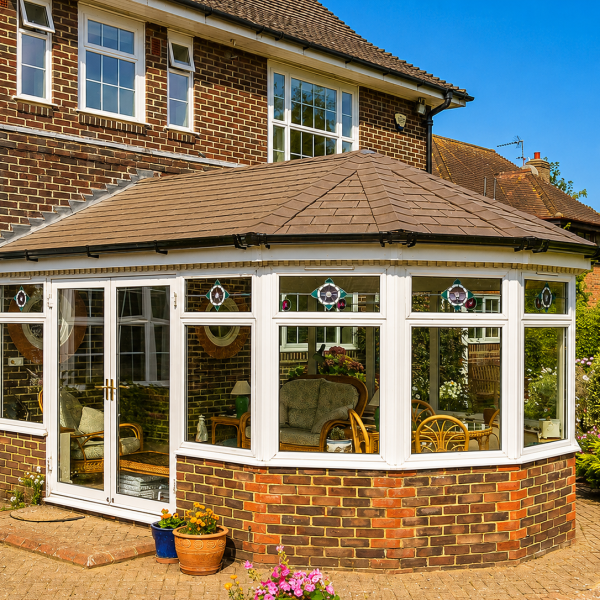
For many homeowners, the conservatory is full of good intentions. It’s meant to be a bright, versatile space. Somewhere to relax, host, or enjoy a bit of calm.
In reality, it often becomes the opposite.
Too hot in summer. Too cold in winter. Glare that makes it hard to sit comfortably. Noise that breaks any sense of quiet. So, it ends up underused. Or worse, completely avoided.
And that’s a missed opportunity.
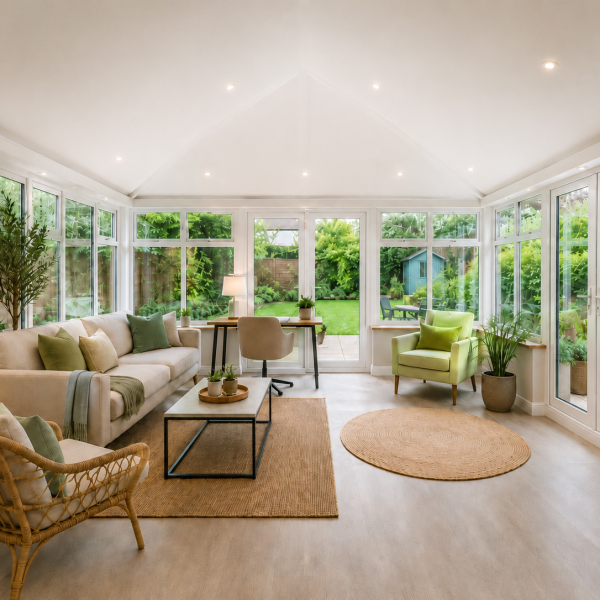
With the right changes, a conservatory can become one of the most valuable spaces in your home. A place that feels comfortable all year round. A place you actually want to spend time in.
It’s not about adding more space. It’s about finally making use of the space you already have.
What Actually Makes a Space Feel Good
A space doesn’t become calming just because it looks nice. You can have the best furniture, the perfect colour palette, and still feel on edge the moment you sit down.
What really makes a difference is how the space feels to be in. The small, often overlooked details that your body responds to before your mind even catches up.
If you want your conservatory to support your wellbeing, these are the elements that matter most:
- Consistent, comfortable temperature: When a room swings from freezing to overheated, it’s impossible to fully relax. A stable temperature helps your body settle, making it easier to rest, focus, or switch off.
- Natural light without overwhelm: Light can lift your mood, but too much glare can leave you squinting, restless, and drained. The goal is soft, usable daylight that feels gentle, not harsh.
- A sense of quiet: External noise, echoing, or that “hollow” conservatory sound can make a space feel exposed. A more insulated, enclosed atmosphere creates a sense of calm and privacy.
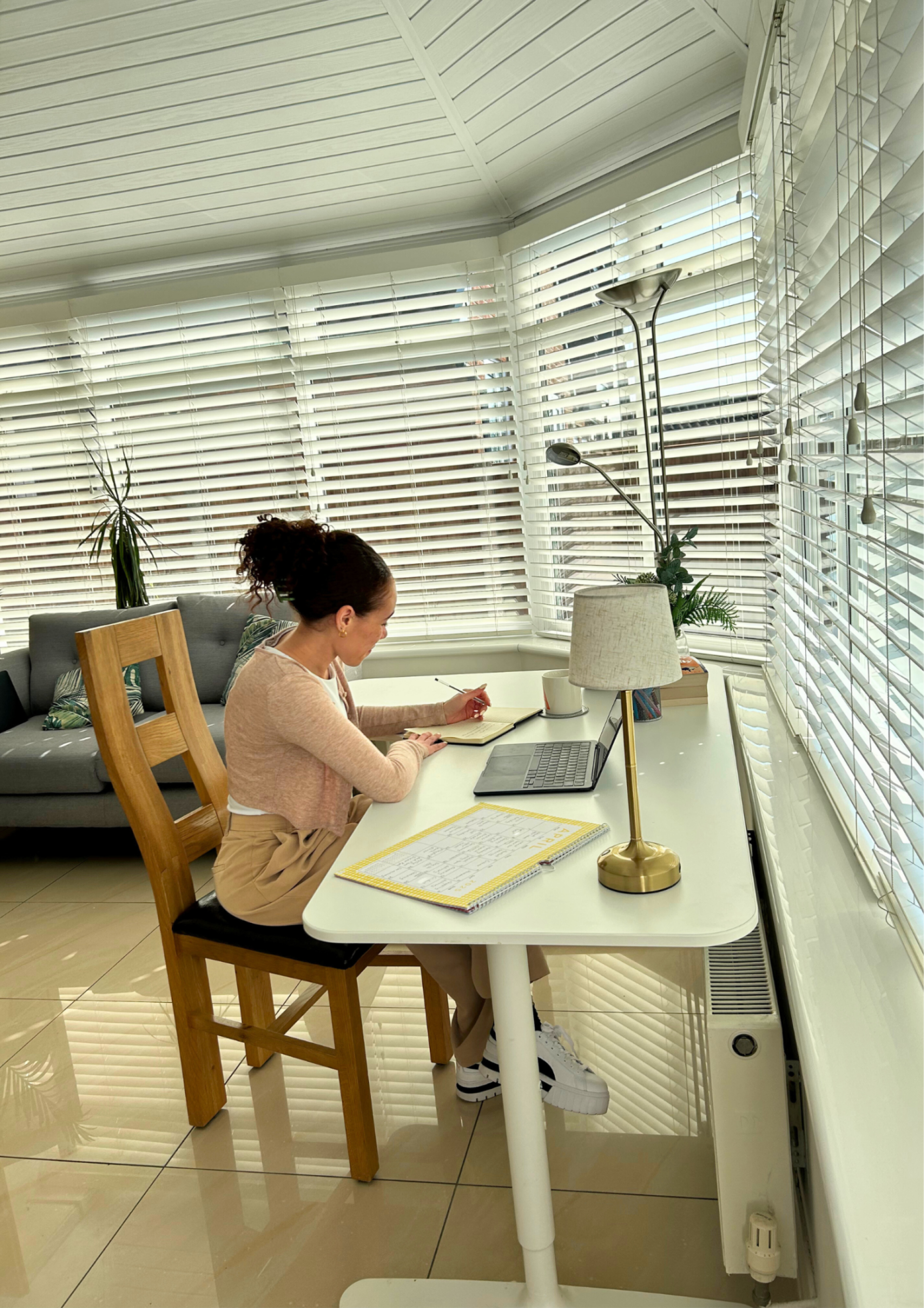
- A clear purpose: Spaces that feel vague often go unused. When your conservatory has a role, whether it’s a reading corner, a place to work, or somewhere to pause during the day, you’re far more likely to step into it.
- Comfort you don’t have to think about: If you’re constantly adjusting (moving away from the sun, grabbing a blanket, or avoiding certain times of day) the space is working against you. True comfort feels effortless.
When these elements come together, something shifts. The room stops being an “extra” and starts becoming somewhere you return to, again and again.
Why Comfort Matters More Than Aesthetics
It’s easy to focus on how a space looks. New furniture, fresh paint, a few carefully chosen accessories. But if the room still feels too hot, too cold, or slightly uncomfortable, you won’t use it.
That disconnect matters more than we realise. When a space feels unpredictable or uncomfortable, your body stays slightly on edge. It’s harder to relax, harder to concentrate, and over time, that can start to affect your mental health in subtle ways. Especially if your home is also where you work, rest, and reset.
Comfort isn’t a luxury in that context. It’s part of what helps you feel settled.
This is where the foundations of a space come in. Temperature stability, reduced noise, and a more balanced atmosphere all make it easier for your nervous system to switch off. It’s the difference between a room you tolerate and one that genuinely supports you.
For conservatories in particular, improving insulation can be the turning point. It allows the space to feel consistent and usable throughout the year, rather than something you work around.
Wrapping Up
A space doesn’t need to be large or perfect to change how you feel. It just needs to welcome you in, without resistance.
When an overlooked corner becomes somewhere warm, quiet, and easy to be, it gently reshapes your day. You pause more. You breathe a little deeper. You find moments that would have otherwise slipped past.
And that’s where the real shift happens. Not in the structure itself, but in how your home begins to hold you.